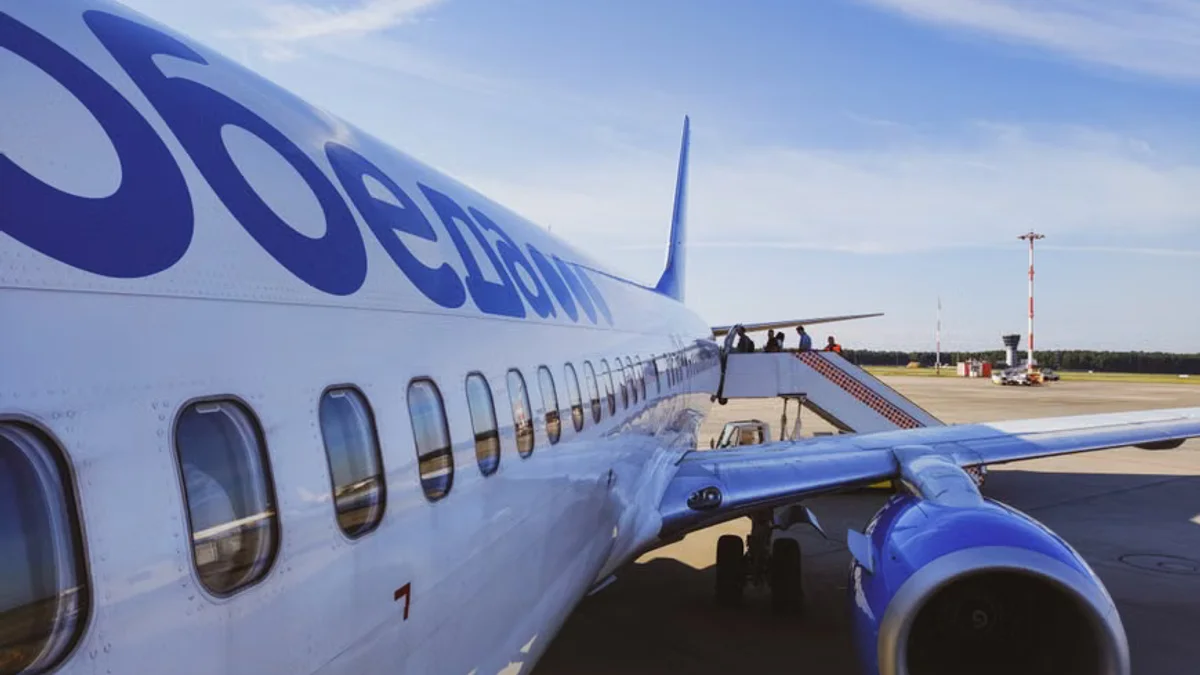
Air Canada, the country's largest carrier, is grappling with significant operational turbulence as a wave of flight delays and cancellations sweeps across major Canadian aviation hubs. Passengers at Toronto Pearson International Airport, Vancouver International Airport, and Montreal-Trudeau International Airport have faced hours of waiting amid a combination of adverse weather patterns and unscheduled aircraft maintenance requirements.
Airline representatives have issued advisories urging travelers to verify flight statuses before heading to airports and have activated flexible rebooking policies for affected passengers. However, consumer advocacy groups and disgruntled travelers have renewed criticisms regarding airline communication and customer service responsiveness during peak travel delays.
Transport Canada officials are closely monitoring the airline's schedule reliability to ensure compliance with passenger rights regulations, which mandate compensation and care provisions for flight disruptions within the carrier's control.
Aviation experts point to ongoing labor constraints and supply chain bottlenecks affecting aerospace maintenance as systemic factors contributing to the fragility of modern airline schedules.
Key Highlights
- Air Canada has experienced widespread flight delays and cancellations across major national hubs.
- Unfavorable weather and maintenance issues contributed to the scheduling bottlenecks.
- Transport Canada is monitoring compliance with passenger protection regulations.
As airlines navigate mounting operational pressures, systemic investments in infrastructure and workforce resilience remain critical to preventing recurrent travel disruptions.